
Why Traditional Transportation Fails in Complex Terrain
In mountainous regions, steep farms, tea plantations, orchards, and construction sites, transporting materials is always one of the biggest challenges. Conventional vehicles often face problems such as:
- Slippery and muddy roads
- Narrow mountain paths
- Steep slopes
- High labor costs
- Low transportation efficiency
- Safety risks during manual handling
To solve these problems, the Monorail Transporter System has become an increasingly popular material handling solution worldwide.
What Is a Monorail Transporter?
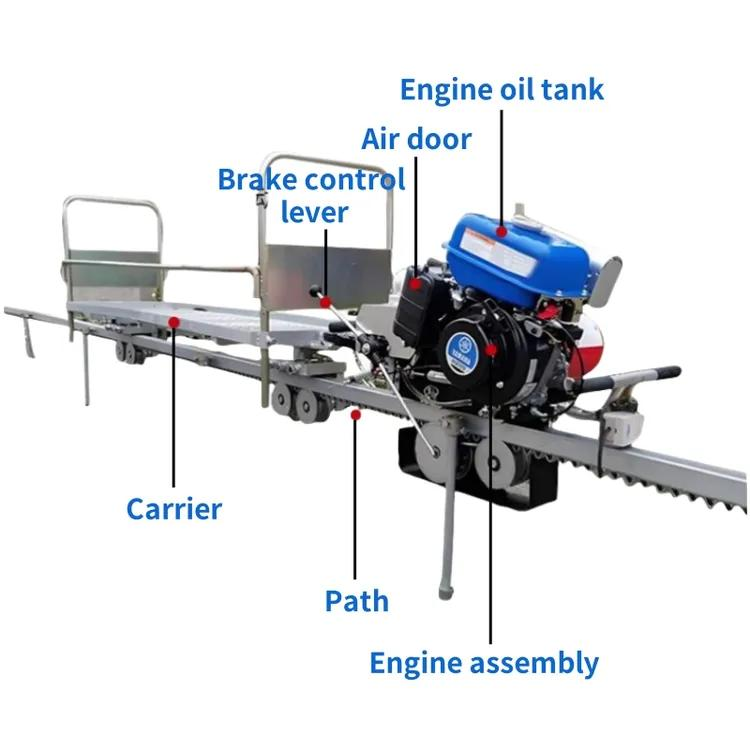
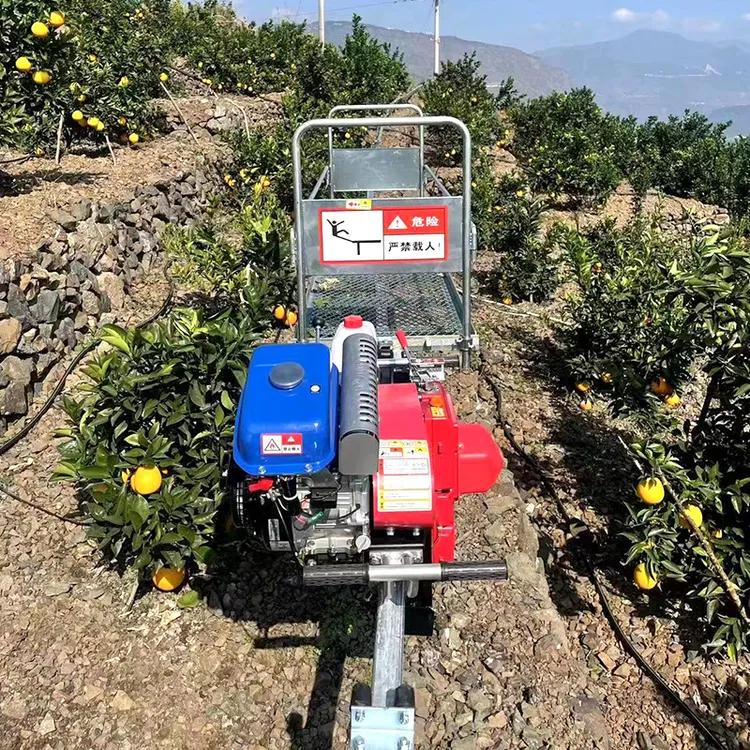
A monorail transporter is a rail-guided transportation system specially designed for difficult terrain and steep slopes. The machine runs on a single rail track installed along mountain roads, orchards, plantations, tunnels, or construction areas.
It can efficiently transport:
- Fruits and agricultural products
- Fertilizers and pesticides
- Tea leaves and coffee beans
- Palm fruits
- Construction materials
- Sand, cement, and stones
- Tools and equipment
Compared with manual labor or traditional vehicles, the monorail system greatly improves transportation efficiency and reduces labor intensity.
Main Applications of Monorail Transport Systems
- Mountain Transportation
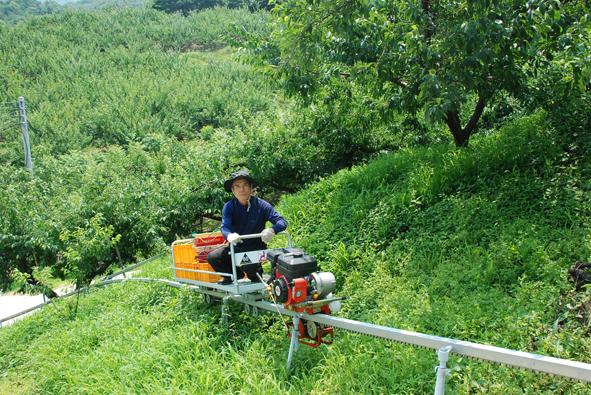
Mountain areas usually have steep slopes and poor road conditions. Building traditional roads can be expensive and environmentally damaging.
Benefits in Mountain Areas:
- Easily climbs steep slopes
- Reduces manual carrying work
- Works in narrow pathways
- Lower road construction cost
- Operates in muddy and rainy conditions
The monorail transporter is especially suitable for villages, hillside farms, and remote transportation projects.
- Orchard Transportation
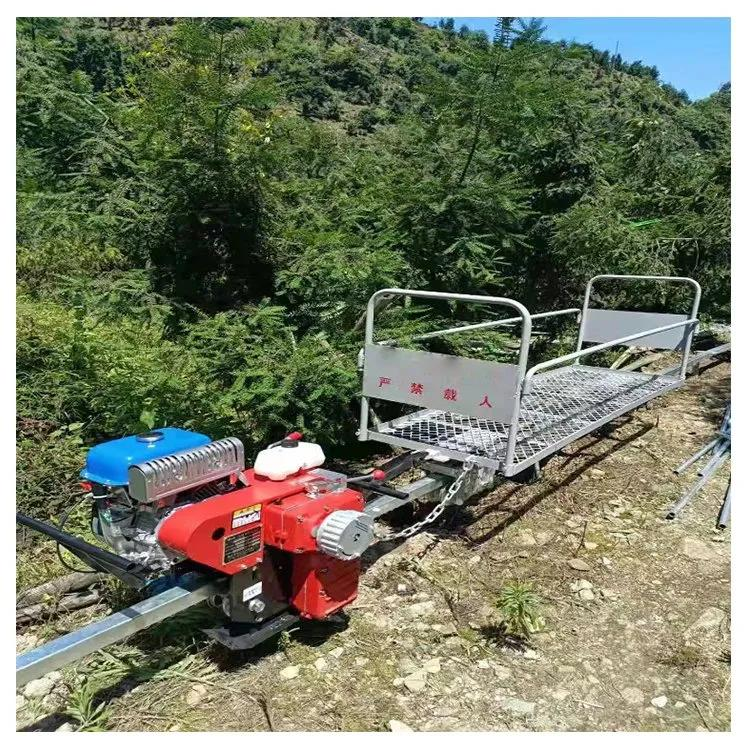
In orchards, workers often spend significant time carrying fruits, fertilizers, and tools across uneven terrain.
Advantages for Orchards:
- Transport harvested fruits quickly
- Reduce fruit damage during transportation
- Save labor costs
- Improve harvest efficiency
- Suitable for apple, orange, durian, mango, and avocado farms
The system can operate continuously during harvest seasons, helping farmers transport large quantities efficiently.
- Tea Garden Transportation
6
Tea plantations are commonly located in steep mountainous regions where manual transportation is difficult and expensive.
Why Tea Farms Need Monorail Systems:
- Quickly transport fresh tea leaves
- Reduce labor dependence
- Minimize worker fatigue
- Improve transportation safety
- Maintain tea freshness after harvesting
Many tea plantations use monorail systems to modernize transportation operations and improve productivity.
- Construction & Engineering Projects
8
Construction sites in mountains, tunnels, hydropower stations, and remote projects often face transportation difficulties.
Engineering Advantages:
- Transport cement, sand, steel, and equipment
- Reduce manual handling risks
- Improve site efficiency
- Adapt to temporary construction roads
- Suitable for tunnels and narrow working spaces
The monorail transporter can significantly reduce labor costs while improving safety and project progress.
Key Advantages of Monorail Transporters
Strong Climbing Ability
The system can operate on steep slopes where trucks and tractors cannot work efficiently.
Flexible Track Design
Tracks can be customized according to:
- Terrain conditions
- Turning radius
- Transportation distance
- Load requirements
High Efficiency
One transporter can replace multiple workers, especially in difficult terrain.
Lower Labor Costs
As labor costs continue increasing globally, monorail systems help farms and projects reduce long-term operational expenses.
Improved Safety
Workers no longer need to manually carry heavy materials on dangerous mountain roads.
Customizable Capacity
Different load capacities are available according to customer requirements.
Typical Materials Transported
| Industry | Materials |
| Orchards | Fruits, fertilizers, pesticides |
| Tea Gardens | Tea leaves, tools |
| Coffee Plantations | Coffee cherries, fertilizers |
| Palm Plantations | Palm fruits |
| Construction | Cement, sand, steel |
| Mining Areas | Ore, equipment |
| Farms | Animal feed, agricultural supplies |
Why More Customers Choose Monorail Systems
With increasing labor shortages and difficult terrain challenges, many farms and engineering companies are upgrading from manual transportation to mechanized rail systems.
The monorail transporter offers:
- Lower operating costs
- Better transportation efficiency
- Stable operation
- Long service life
- Easy maintenance
It is becoming an essential transportation solution for modern mountain agriculture and engineering projects.
How to Choose the Right Monorail Transporter
Before purchasing, customers usually consider:
- Transportation distance
- Slope angle
- Load capacity
- Track length
- Terrain conditions
- Engine type (diesel or electric)
- Daily transportation volume
A customized solution can help maximize efficiency and reduce investment costs.
Conclusion
The monorail transporter is an ideal transportation solution for:
- Mountain areas
- Orchards
- Tea gardens
- Coffee plantations
- Palm plantations
- Construction projects
- Remote engineering sites
It helps users improve efficiency, reduce labor costs, and safely transport materials in difficult terrain conditions.
As agricultural and engineering industries continue modernizing, monorail transport systems are becoming increasingly important worldwide.